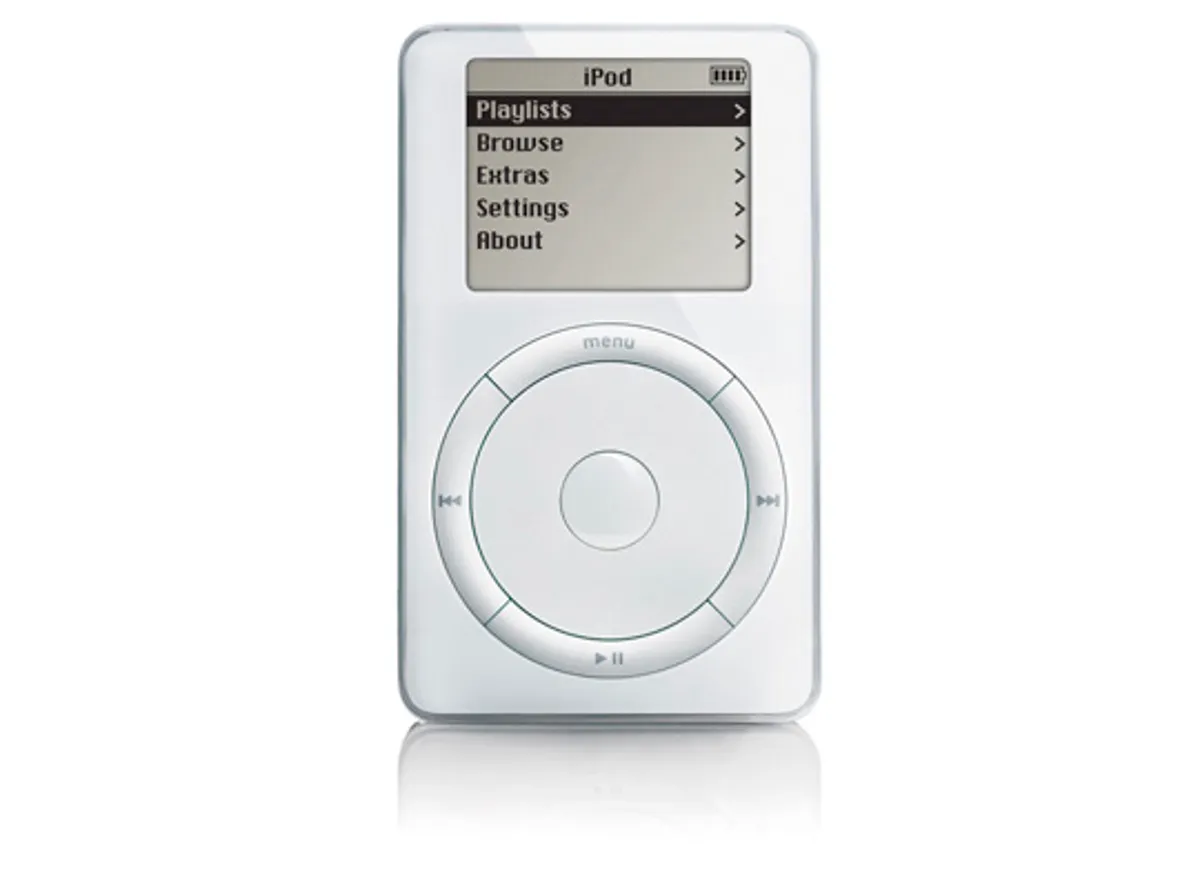
MINI LESSON
7 Technology Eras That Changed Music (Part 1)
7 Eras Tecnológicas Que Cambiaron la Música (Parte 1)
1877
Phonograph
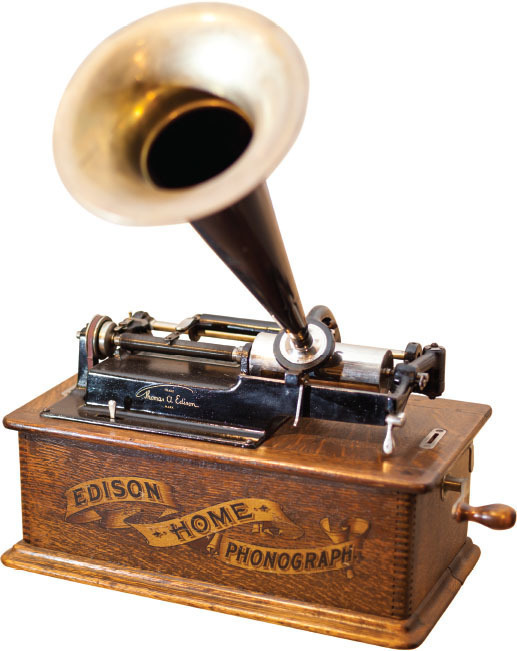
Thomas Edison invented a device that recorded AND played back sound. First recording: “Mary Had a Little Lamb.” Sound captured on tinfoil cylinders.
First time music could be heard without a live performer.
Primera vez que la música podía escucharse sin un intérprete en vivo.
1948
Vinyl Records

Columbia Records introduced the 33⅓ RPM Long Play (LP). Could hold ~22 minutes per side vs. 4 minutes before. Record stores became cultural spaces.
Albums became an art form. Artists could tell longer stories.
Los álbumes se convirtieron en arte. Los artistas podían contar historias más largas.
1963
Cassette Tapes

Philips invented the compact cassette. Sony Walkman (1979) made music portable. Mixtape culture: anyone could record and share music.
Music became personal & portable. Mixtapes gave power to fans AND indie artists.
La música se volvió personal y portátil. Los mixtapes dieron poder a fans Y artistas independientes.
1982
Compact Discs

Sony & Philips created digital audio on a disc. Higher quality than vinyl or cassette. CDs cost labels ~$1 to make but sold for $15–18.
Most profitable era for labels. High prices fueled demand for free alternatives.
La era más rentable para las disqueras. Los precios altos alimentaron la demanda de alternativas gratuitas.