Lesson 38 (P4/P5): Listening Across Generations 1 / 11
100%

Listening Across Generations

Escuchando a Través de Generaciones
Two Protest Songs • Forty Years Apart • One Question
Dos Canciones de Protesta • Cuarenta Años de Diferencia • Una Pregunta
Wednesday, April 29, 2026 • Period 4 (10th + 11th Grade) + Period 5 (12th Grade) • Mr. Mbagwu
Unit 5: Music as Social Commentary – Week 12 – Lesson 38 (P4/P5)

An Artist’s Duty: Predict the Sound

El Deber del Artista: Predice el Sonido
04:00

“An artist’s duty, as far as I’m concerned, is to reflect the times.”

— Nina Simone, 1969

Today you’ll hear two artists reflecting their times — 40 years apart:

Bob Dylan – “Blowin’ in the Wind” (1963 — Civil Rights, 5 months before Dr. King’s “I Have a Dream”)

Black Eyed Peas – “Where Is the Love?” (2003 — six months after the Iraq War began, two years after 9/11)

DOK 3 – ANALYZE & JUSTIFY

Without hearing them yet, predict on your index card:

(1) Whose voice will sound more strained or angry — and why?
(2) Which song will use more instruments — and why?
(3) Which will be louder overall — and why?

Sentence starter: “I predict ____________ will sound ____________ because in (1963 / 2003), protest music had to ____________ .”

I Can…

Yo Puedo…

I can identify how three musical elements – vocal delivery, instrumentation, and dynamics – carry the social message of two protest songs from different eras, citing specific timestamps as evidence.

UNIT 5 • WEEK 12 • THROUGHLINE

Three weeks studying music as social commentary. Today we sharpen the ear: a protest song that lasts isn’t just words. It’s how the voice cracks, what instruments enter and when, how the volume rises and falls. The SOUND carries the message.

Wake the Ear

03:00
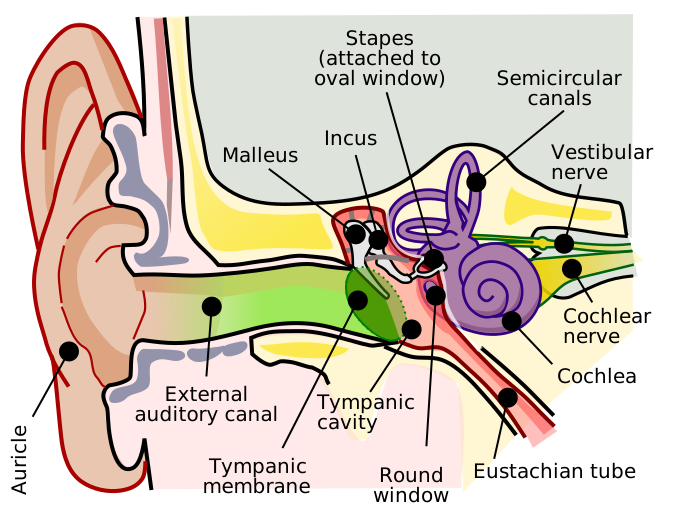
Diagram of the human ear: outer ear, middle ear, inner ear with cochlea

Silent Listening

Close your eyes. Identify 3 sounds you can hear right now – HVAC, footsteps, your own breathing.

45 sec
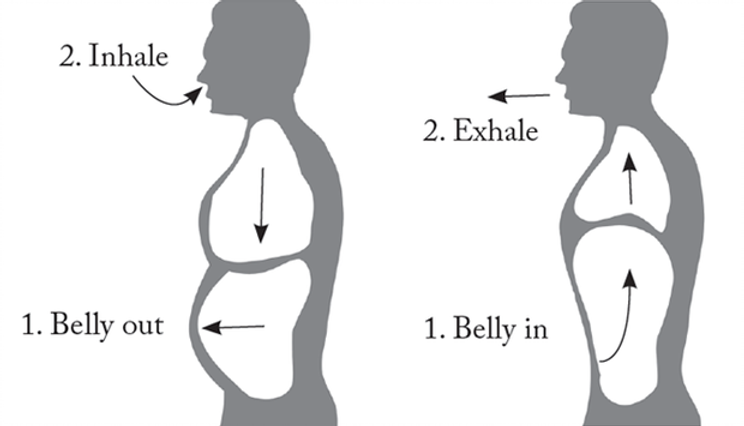
Diaphragmatic breathing: inhale belly out, exhale belly in

Breath Count

Eyes closed. Count 8 slow breaths. In 4out 4. Resets attention.

45 sec
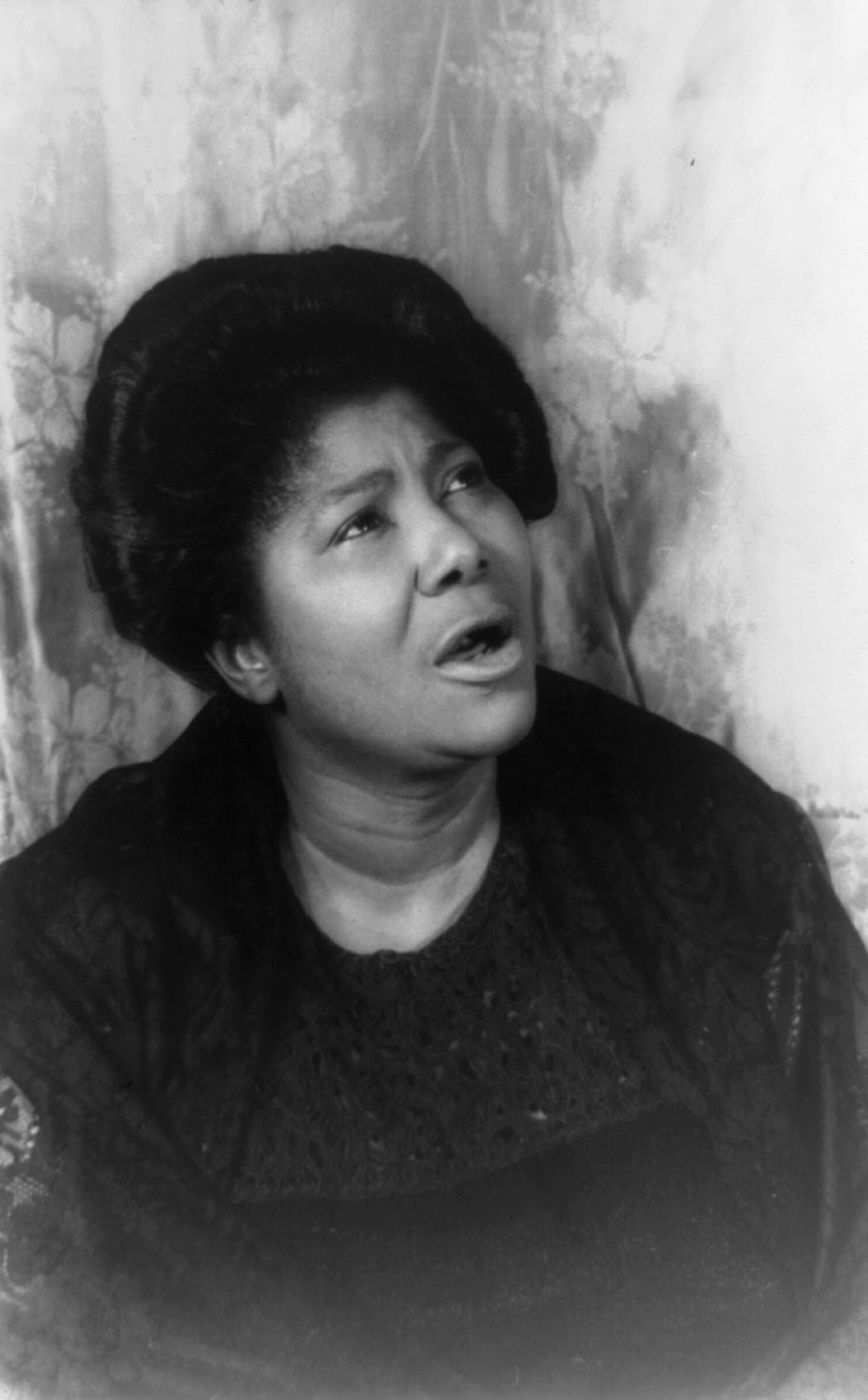
Mahalia Jackson, Queen of Gospel — vocal artist who matched pitch perfectly

Pitch Match

Mr. Mbagwu hums a note. Class echoes the same note back. 3 pitches. Tunes the room before listening.

90 sec

Three Things to Listen For

1. Vocal Delivery

How a singer USES their voice – tone, phrasing, where the voice cracks, where it strains, where it pulls back.

2. Instrumentation

Which instruments are present and what they DO – guitar, harmonica, bass, drums, synths, choir. What enters and when.

3. Dynamics

How LOUD or QUIET the music is, and how that changes – a swell, a drop, a sudden shift.

Listen to each song once, then compare. The lyrics are not the assignment today – the SOUND is.

"Blowin' in the Wind" – Bob Dylan (1963)

Open on YouTube →
Bob Dylan – "Blowin' in the Wind" (1963) • BobDylanVEVO • Civil Rights era folk anthem • 2:48
08:00

Pre-listen prompt: What does Dylan’s voice DO – is it trained, untrained, smooth, raw? Which instruments do you hear? When does the volume change?

DOK 2 – APPLY

Sentence starter: "Dylan’s voice sounds ____________ . The instruments I hear are ____________ . The dynamics stay ____________ ."

"Where Is the Love?" – Black Eyed Peas (2003)

Open on YouTube →
The Black Eyed Peas – "Where Is The Love?" (2003) • BlackEyedPeasVEVO • Post-9/11 protest pop • 4:31
08:00

Pre-listen prompt: Listen for the contrast: rapped verses vs sung chorus. What do the drums, the bass, the synths DO? When does it get LOUD, when does it pull back?

DOK 3 – ANALYZE

Sentence starter: "The voice changes when ____________ . The instruments are ____________ . The dynamics swell at ____________ ."

Side-by-Side

08:00

Bob Dylan (1963)

Folk • Civil Rights / Vietnam era • Acoustic

Vocal: raw, untrained, talk-singing

Instruments: acoustic guitar + harmonica + voice

Dynamics: sustained, almost flat – meditative

Black Eyed Peas (2003)

Hip-hop / pop • Post-9/11 era • Full production

Vocal: rapped verses, sung chorus, layered harmonies

Instruments: drums, bass, guitar, synths, multi-vocal

Dynamics: verses pulled back, chorus swells big

Sentence frame: "Dylan uses ____________ to ask his question, while Black Eyed Peas use ____________ to ask theirs. Both songs ____________ ."

DOK 3 – ANALYZE

Which song’s SOUND reaches you more powerfully today? Cite at least one specific timestamp.

Share Your Comparison

3–4 volunteers read their comparison sentence aloud. The class listens for: (1) is there a timestamp? (2) is there a named musical element? (3) does it tie to the social message?

DOK 4 – EVALUATE

Sentence starter: "If we kept ONE of these two songs as a record of its era, I would keep ____________ because the ____________ at ____________ tells the future what we were going through."

EXIT TICKET 5 Points • Classwork (40%) 03:00
Q1 – Sonic Carrier (2 pts)

Name ONE sonic carrier (vocal delivery, instrumentation, or dynamics) from one of today’s songs and the timestamp where it carried the song’s message.

Sentence starter: "In ____________ at ____________ , the ____________ carried the message because ____________ ."

1 pt = names the sonic carrier • 1 pt = specific timestamp

Q2 – Defend Your Pick (3 pts)

Pick the song that hit harder today. Defend with ONE specific musical detail. Then explain what it communicates about the social message.

Sentence starter: "____________ hit harder because at ____________ , I heard ____________ . That communicates ____________ ."

1 pt = specific timestamp • 1 pt = named element • 1 pt = ties to social message

📚 Submit on Google Classroom

Forty Years, Same Question

1963: a folk singer with a guitar and a harmonica asks how many roads must a man walk down?
2003: a hip-hop group with full production asks where is the love?
Different sounds. Same impulse.
Take that ear with you. The next time you hear a song you love, listen for the carriers. They were always there, telling you what era you were standing in.
"He has put a new song in my mouth, a song of praise to our God."
– Psalm 40:3
navigate • F fullscreen • + zoom